
June 10, 2026
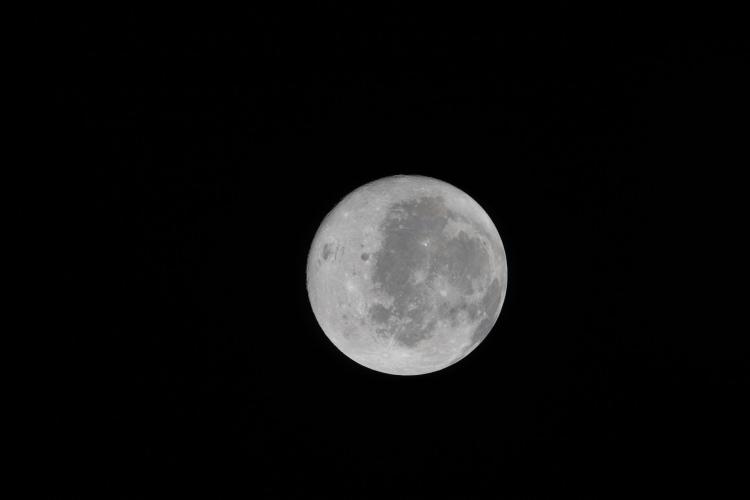
Georgia Tech Scientists Create Moon Rock in the Lab
3 min read
This moon rock could help scientists interpret lunar data and explore how water may form on the moon.
Read More

June 8, 2026
Three Georgia Tech Students Receive 2026 Astronaut Scholarship
1 min read
The three students were recognized for their innovative research in engineering and biomedical science and awarded funding, mentorship, and national recognition to support their future careers in STEM.
Read More

June 2, 2026
How Agentic AI is Rethinking the Origins of Life on Earth
1 min read
Georgia Tech researchers Amirali Aghazadeh and Daniel Saeedi discuss AstroAgents, an agentic AI system that analyzes space chemistry to generate new ideas for life’s beginnings.
Read More
May 18, 2026
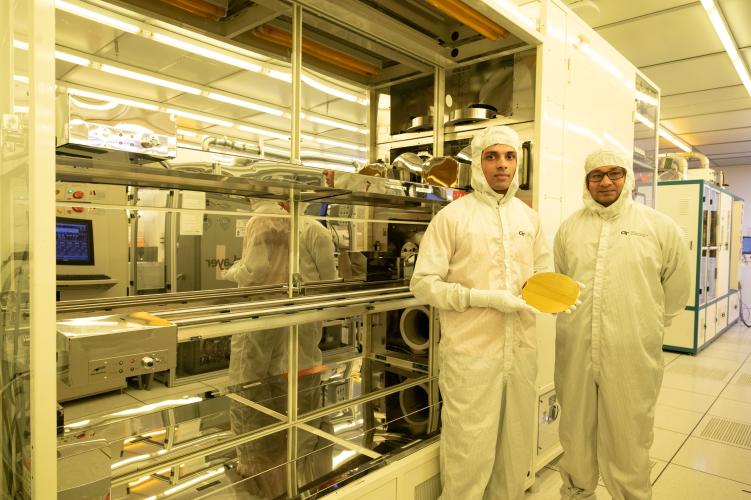
Georgia Tech Researchers Discover New Form of NAND Flash Data Storage for Deep Space Missions
4 min read
The new data storage technology is up to 30 times more radiation-resilient than current data storage.
Read More
May 15, 2026
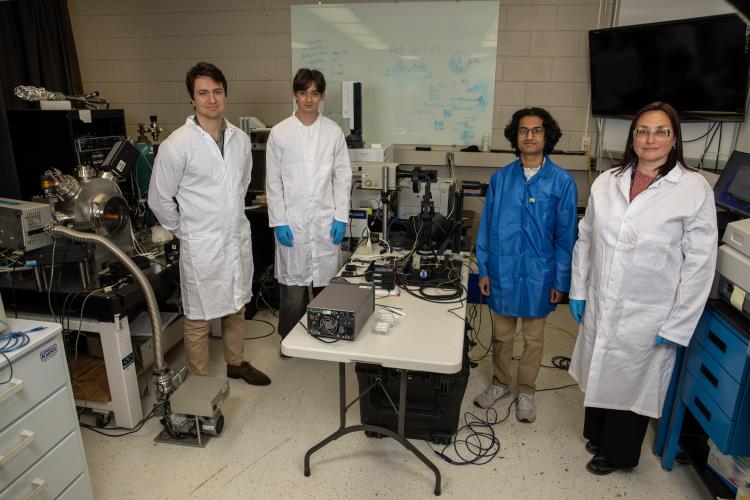
Leaner and Meaner: Materials Tested in Space Could Help Build More Space-Resilient Satellites
5 min read
Georgia Tech researchers, led by the Georgia Tech Research Institute, are sending new polymers to the International Space Station to study their durability in harsh space conditions.
Read More
May 5, 2026
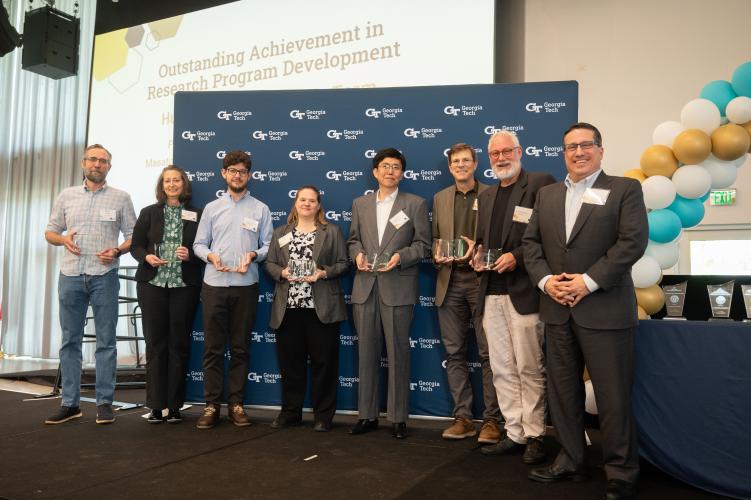
Georgia Tech Awards Spotlight Space Research Leadership
3 min read
Several faculty affiliated with the Space Research Institute were recognized for contributions spanning individual scholarship and major interdisciplinary research programs.
Read More
April 30, 2026
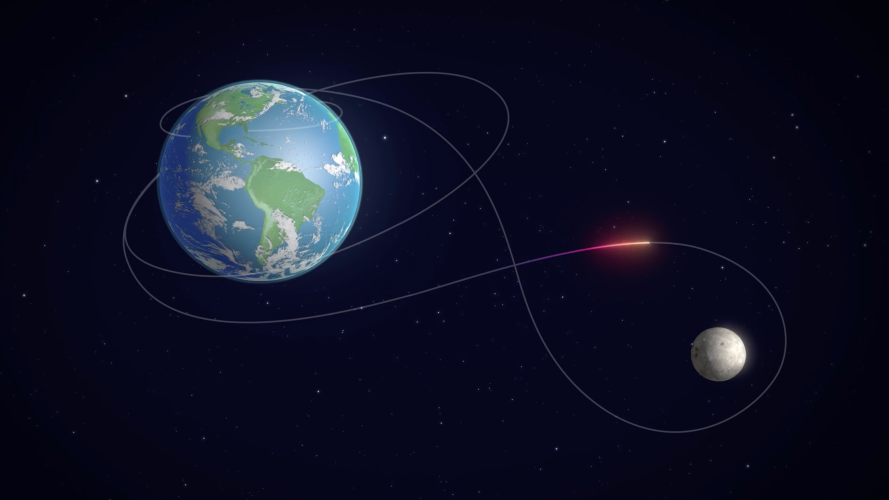
Back to the Moon and Beyond
4 min read
Meet the Georgia Tech alumni who are making Artemis II possible.
Read More

April 20, 2026
The Hidden Language of Life’s Early Proteins
4 min read
Life’s first alphabet was likely small — but surprisingly powerful.
Read More
April 6, 2026
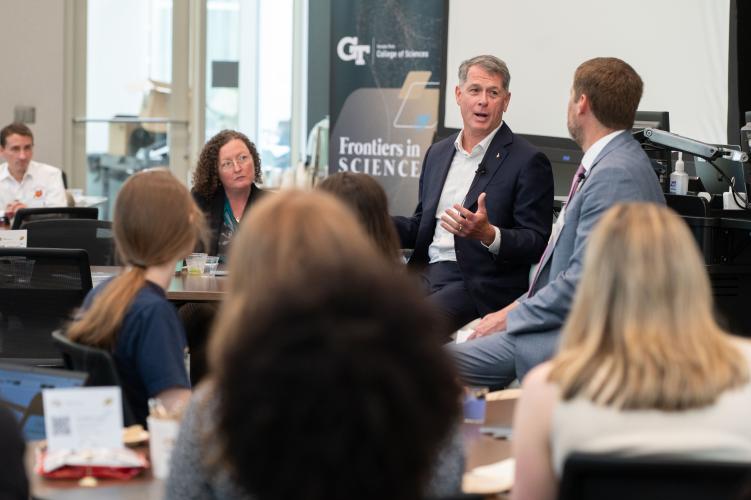
2026 Frontiers in Science: Advancing Space Exploration
4 min read
One day after the historic Artemis II launch, the College of Sciences welcomed more than 150 researchers, students, and community members to its signature Frontiers in Science conference.
Read More
March 31, 2026
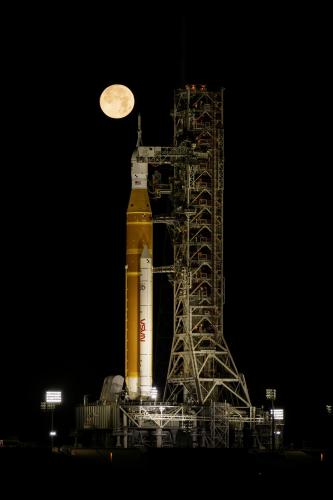
'Welcome to the Future!' Artemis II Set for Launch to the Moon
1 min read
On the eve of this next chapter of lunar exploration, several current and former Yellow Jackets discuss why Artemis II matters, what excites them about the mission, and what happens next.
Read More
March 30, 2026
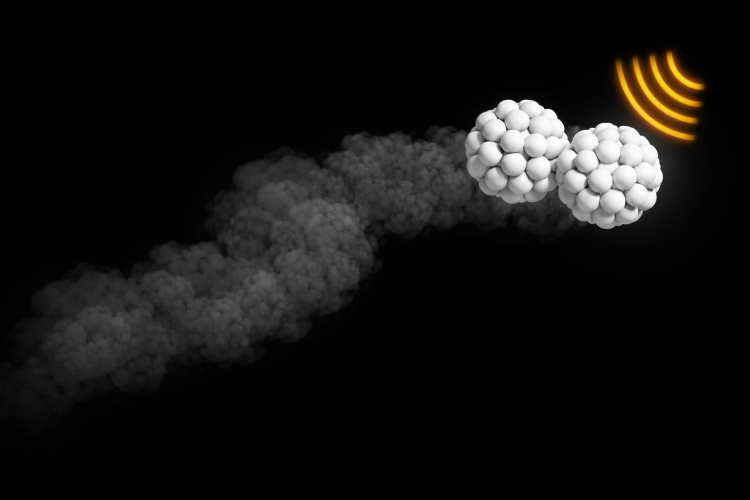
The Smartest Robots May Be the ‘Dumbest’ Ones
1 min read
Georgia Tech engineers have created electronics-free robotic swarms whose collective intelligence emerges entirely from mechanical design, enabling coordinated behavior for applications in medicine, space, and beyond.
Read More
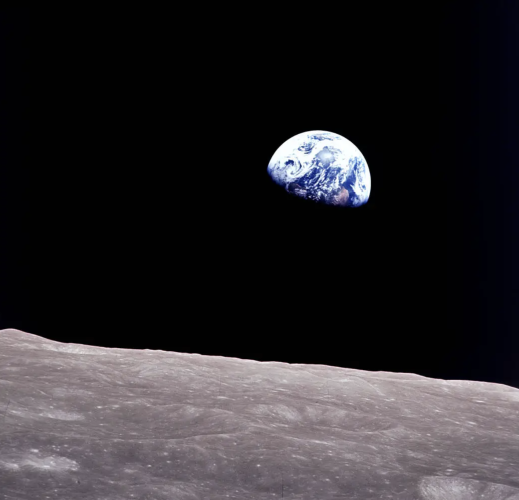
March 27, 2026
3.8‑Billion‑Year‑Old Titanium Clue Sheds New Light on the Moon’s Early Chemistry
6 min read
The finding offers new clues about the oxygen conditions that shaped the Moon’s early environment.
Read More
Visit our Research News Center
The Space Research Institute regularly releases articles and videos featuring its research, faculty, and students. Explore more stories about Georgia Tech's interdisciplinary space research community.